Plasma generation with Himmelwerk know-how
Nuclear fusion reactor ITER
This is nothing new – and still a really big thing: Since the beginning of the century, Himmelwerk has been involved in research into generating energy through nuclear fusion.
Initially, we started with several projects in Germany and India. Himmelwerk has been the exclusive supplier of Radio Frequency Power Supplies for ITER since 2012.
ITER (International Thermonuclear Experimental Reactor) is a multiphase international research project which aims to generate energy using nuclear fusion in a nuclear fusion reactor with the aim of ensuring that global energy needs are met, with no dependence on nuclear energy or fossil fuels. The so-called experimental reactor is currently backed by 35 countries worldwide.
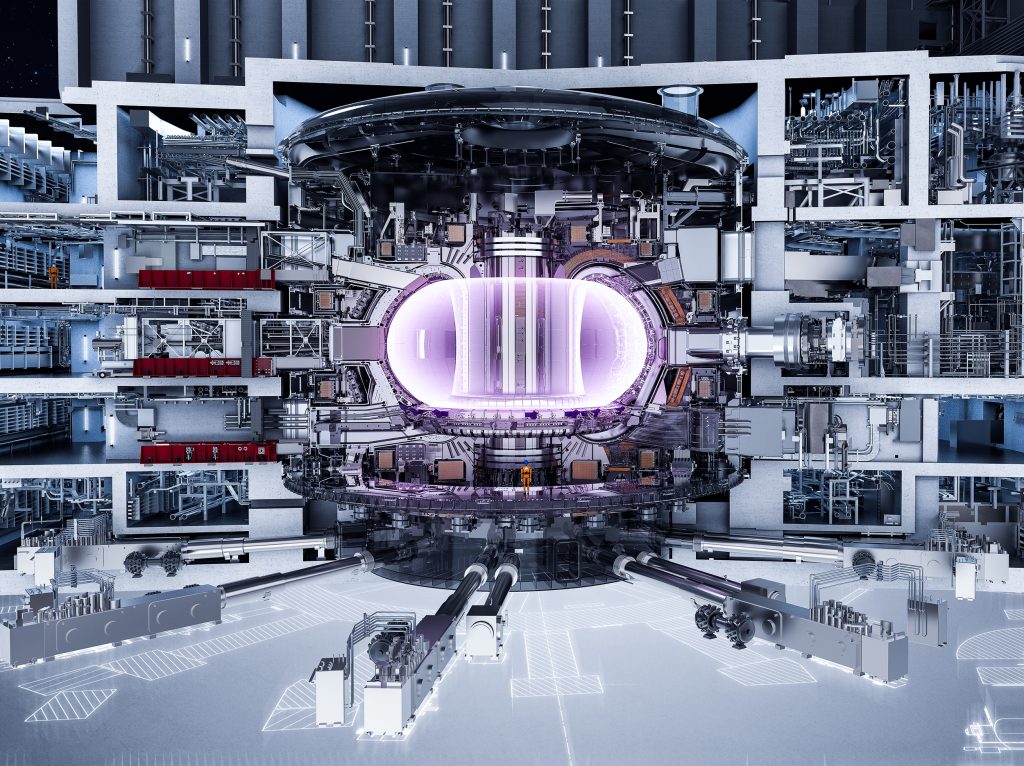
Plasma generation by induction
During the first two phases of the long-term project, custom-designed Himmelwerk high-frequency generators were put into operation at the laboratory in Padua, Italy. They enable the generation of the plasma. The findings will be used as the basis for a possible future expansion at the Cadarache site in France, where Himmelwerk is also expected to supply the radio frequency power supplies.
ITER’s nuclear fusion reactor is a long-term project that perfectly matches Himmelwerk’s mission: Using technology to improve our lives in the future.