More efficient with induction processes

Induction heating
and their applications

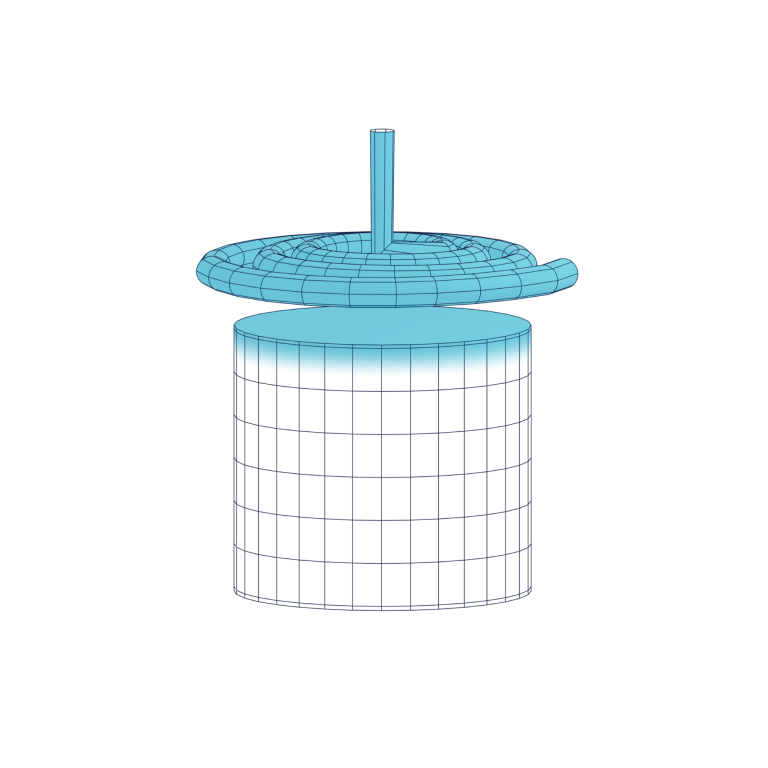
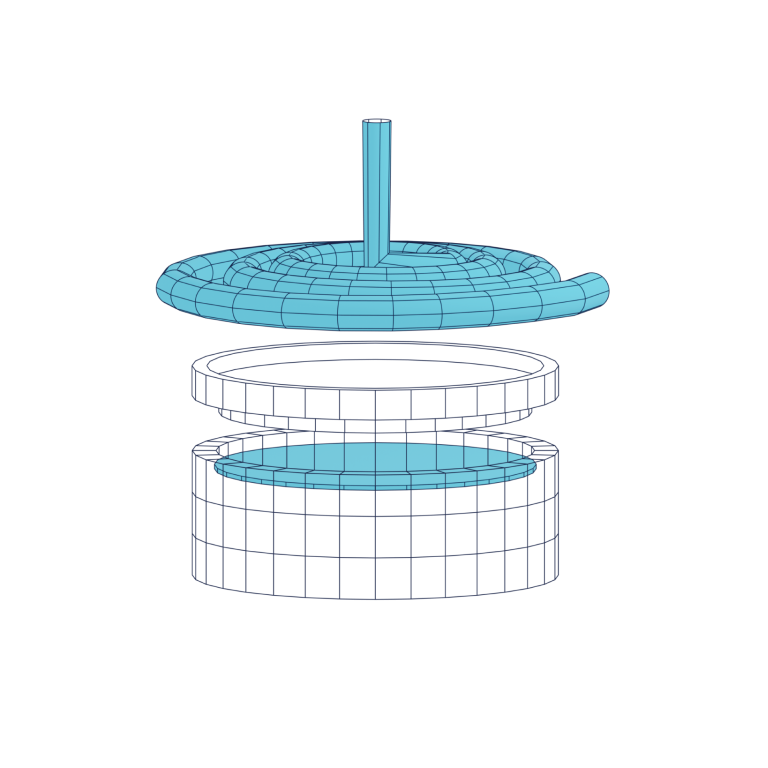
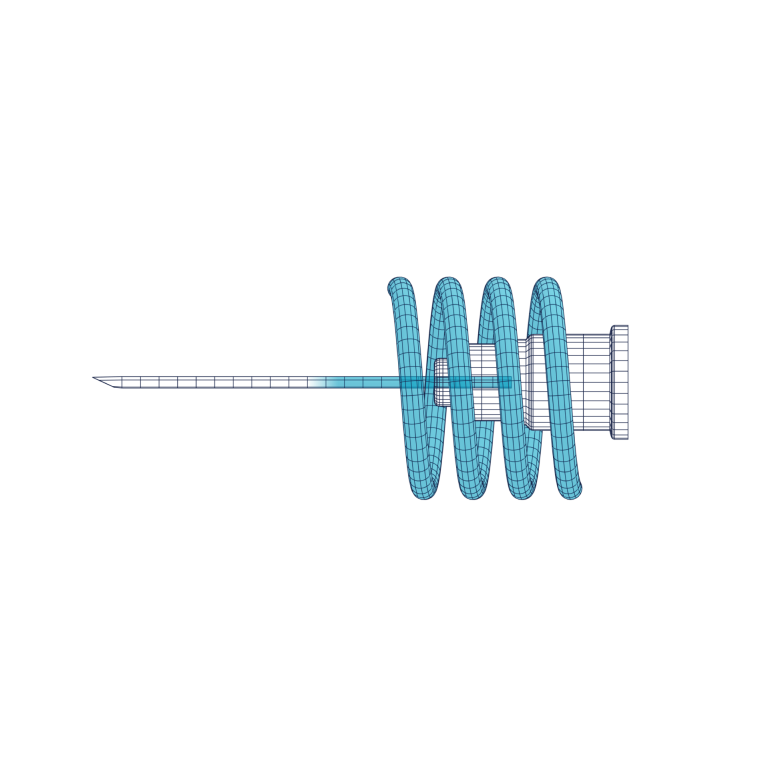
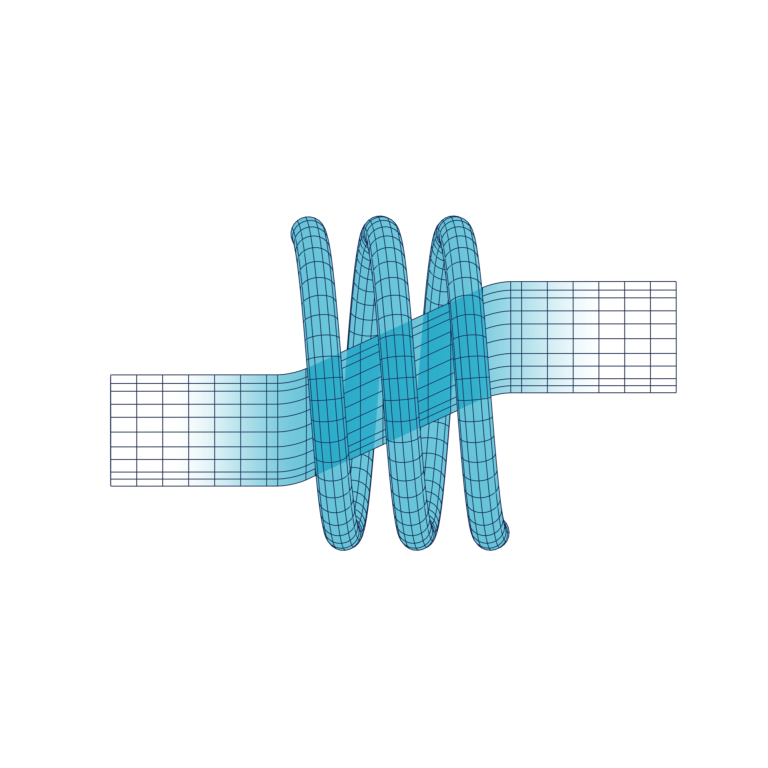
Induction processes have a high benefit for all manufacturing processes, for example battery manufacturing, pulse hardening, hard soldering, wire forming, thread rolling and many more.

The reason: induction heating can be used cost-effectively with all electrically conductive materials, from steel and stainless steel to aluminium, brass, copper, titanium and graphite.

Vimeo

By loading the video, you accept Vimeo's privacy policy.
Learn more

Unlock Video

Vimeo

By loading the video, you accept Vimeo's privacy policy.
Learn more

Unlock Video

Vimeo

By loading the video, you accept Vimeo's privacy policy.
Learn more

Unlock Video

Didn't find your application? Get in touch with your personal contact - if it's a heating process, we can probably do it!

Daniel Schulte

Head of International Sales

Since 1950, Himmelwerk has shipped more than 19,000 high and medium frequency converters worldwide.
By how much can you reduce your CO₂ emissions per year? Let’s have a look.

Assumption 1: 25% of your converters are still operational.

Assumption 2: They have an average output of 6 kW and thus a power consumption of 7 kW.

Assumption 3: These generators are operational 8 hrs per day and 5 days per week.

Assumption 4: Inductive heating uses up to 40% less energy than conventional methods. Let’s assume 30%.

With these assumptions, our calculation would look like this: Daily energy consumption: 8 hrs x 7 kW = 56 kW

Energy savings per day: 56 kWh / 0.7 = 80 kWh; 80 – 56 = 24 kWh

Total energy savings per day: 24 kWh x 4,750 converters = 114,000 kWh

Total energy savings per year: 220 working days x 114,000 kWh = 25,080,000 kWh

Conversion factor kWh/CO₂: 1 kWh is equivalent to approx. 0.485 kg of CO₂ (source: German Federal Environmental Agency, Climate Change 15/2022)

CO₂ reduction per year: 25,080,000 kWh x 0.485 kg = 12,163,800 kg