Sealing
With induction heating
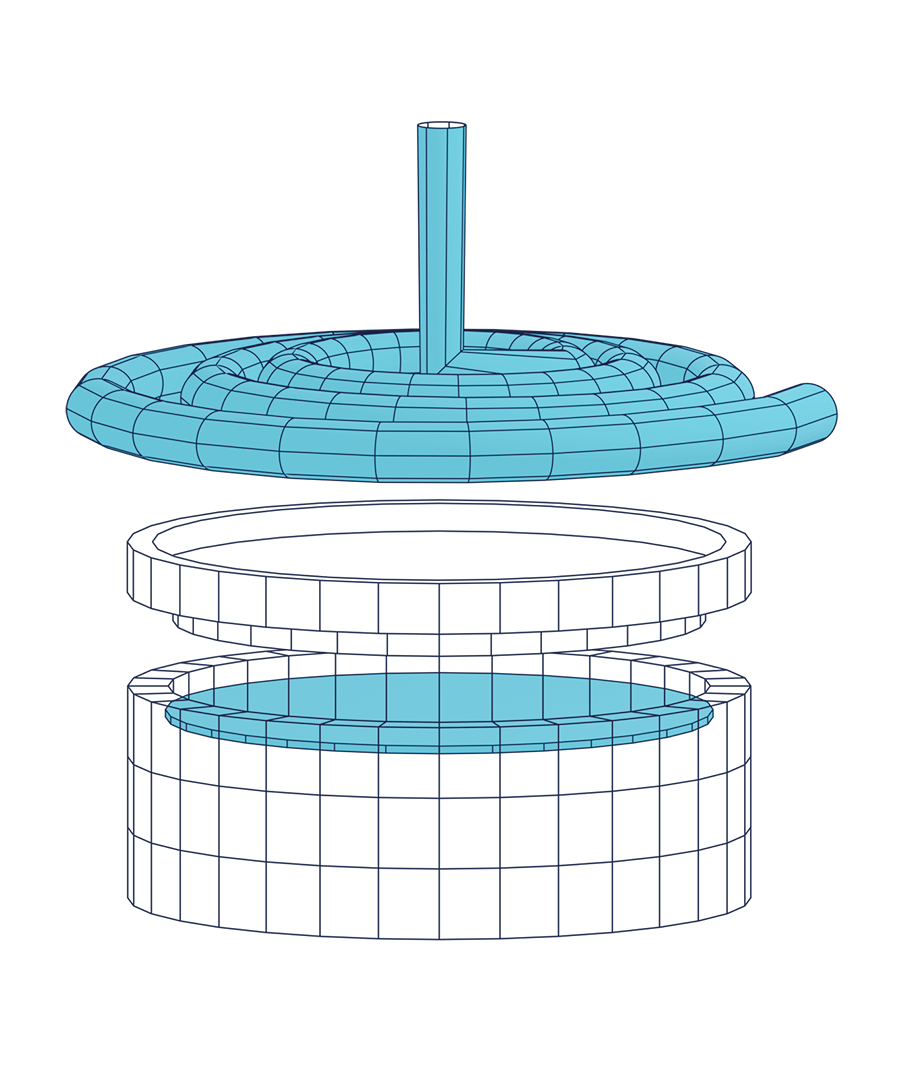
For sealing processes, induction heating offers great benefits when compared to non-electrical methods. Because when containers and packaging of foodstuffs, for example, are sealed, it is always a question of maintaining the quality of the packaged products.
With inductive sealing, the energy is only ever introduced into the conductive layer, e.g. of aluminium, and the required process heat is generated there. This means that potentially disturbing thermal effects in the product to be packaged are avoided. At the same time, the energy is very well dosed, which means that even after the actual sealing process, no excess residual heat can have a negative effect on the product.
Where is sealing used?
Induction sealing is used for tubes in the food, medical and cosmetics industries. Himmelwerk induction systems require little space and can therefore be easily integrated into existing production processes. The ease with which induction heating processes can be automated promotes the fastest possible processes.
Induction heating for sealing cardboard boxes is suitable for all industries. The precise temperature control not only means that the quality of the packaged products remains assured, but also that a lot of energy is saved.
Resources are also conserved, however, because the induction heating process can still be checked during the sealing process, which means that scrap can be reduced to almost zero.
Fast heating times, precise heating and easy reproducibility of the inductive processes ensure that processes can be designed efficiently when sealing bottles, jars and canisters.
At the same time, induction heating also ensures good working conditions: a pleasant working climate, safe processes and easy, intuitive operation.
Our process
Sealing with induction heating – we advise you
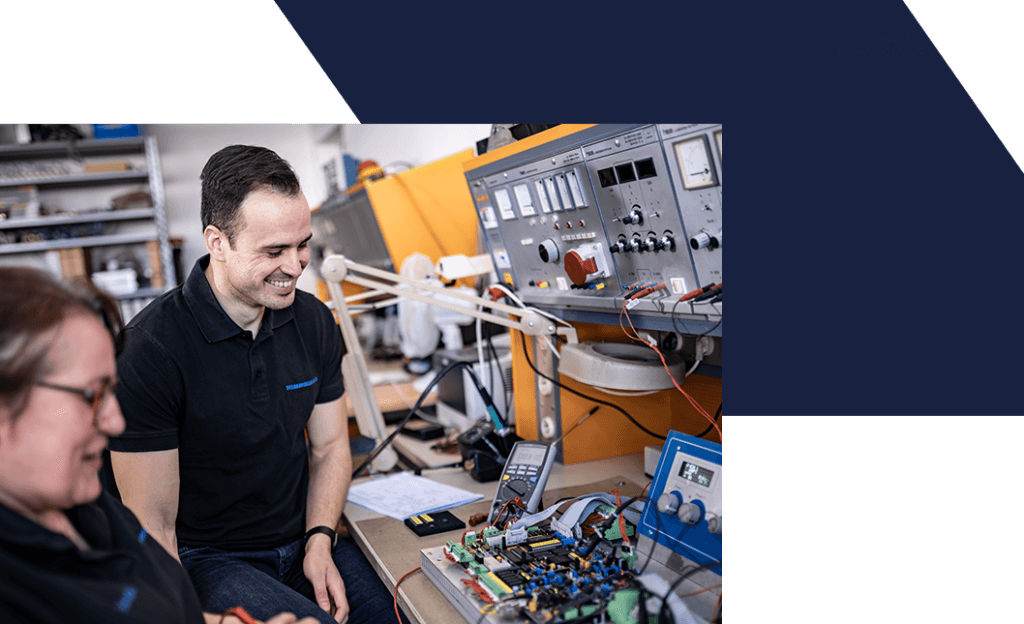
We show you how to implement the fastest cycle times, integrate induction heating automatically and support you during commissioning.

Our service
Focus on growth
Induction heating has many benefits for your company, your employees and the environment. Use them and set an example in your industry.
Systems from Himmelwerk