Research Projects
Industry-oriented induction research
We believe that innovations only make sense if they benefit our customers. Therefore, our research is always industry and application-oriented.
Publicly funded projects for SME’s support this claim and are therefore a central component of our development work. We are working together with various partners from German and European universities in researching how induction heating processes can be used both in industry and science. Besides new developments, ensuring and refining the quality of induction heating processes is also an important part of the research.
Right now we are involved in several publicly funded projects, and more are in the pipeline. This involves innovative applications as well as new induction heating solutions for the following areas:
- Semiconductor industry
- Fibre composites
- Virus protection
- Material recycling
- Nano-particles
- Battery production
- Quality assurance
Is your university interested in working together with Himmelwerk?
Get in touch with us.
Your contact
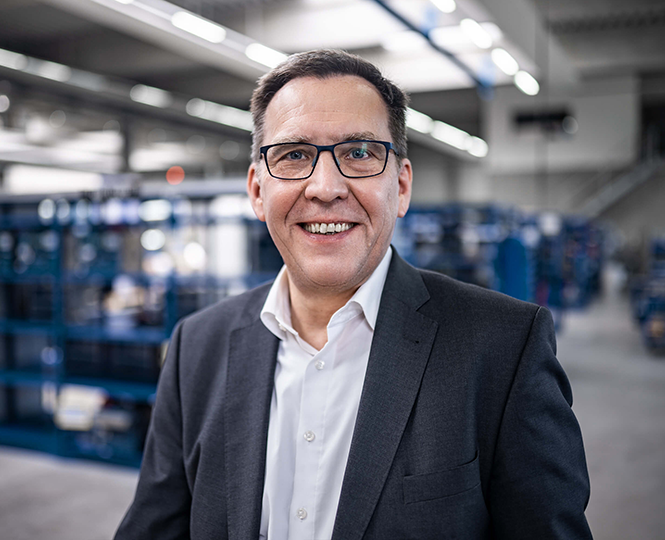
Dr.-Ing. Andreas Seitzer
Managing Director Himmelwerk
- +49 (0) 7071 9466033
- a.seitzer@himmelwerk.com