Get a better insight into the topics surrounding induction heating. Here we recommend some standard works of technical literature for a better understanding.
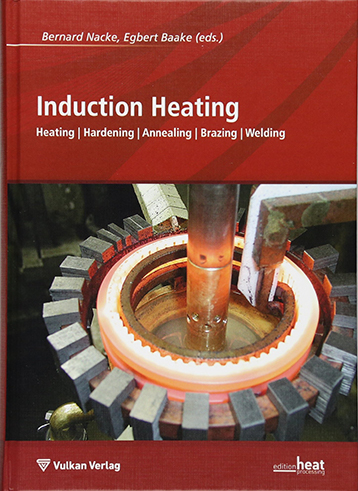
Induction Heating. Bernard Nacke, Egbert Baake (Publisher). 978-3-8027-2391-9
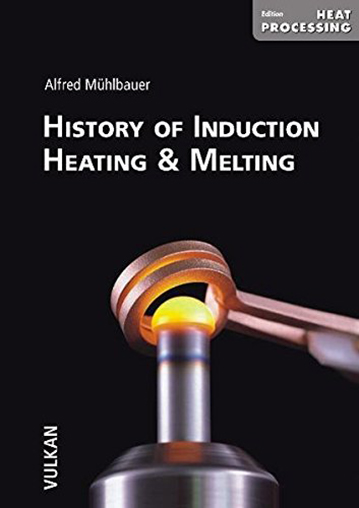
History of Induction Heating and Melting. Alfred Mühlbauer. ISBN 978-3-8027-2946-1
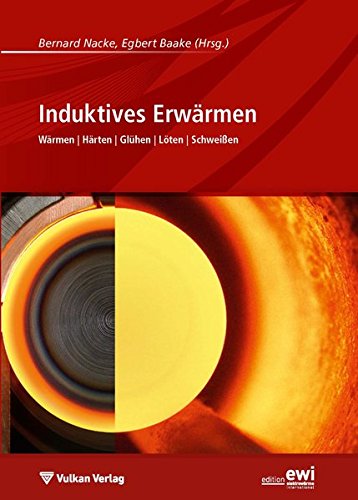
Induktives Erwärmen. Bernard Nacke, Egbert Baake (Publisher). ISBN 978-3-8027-2384-1
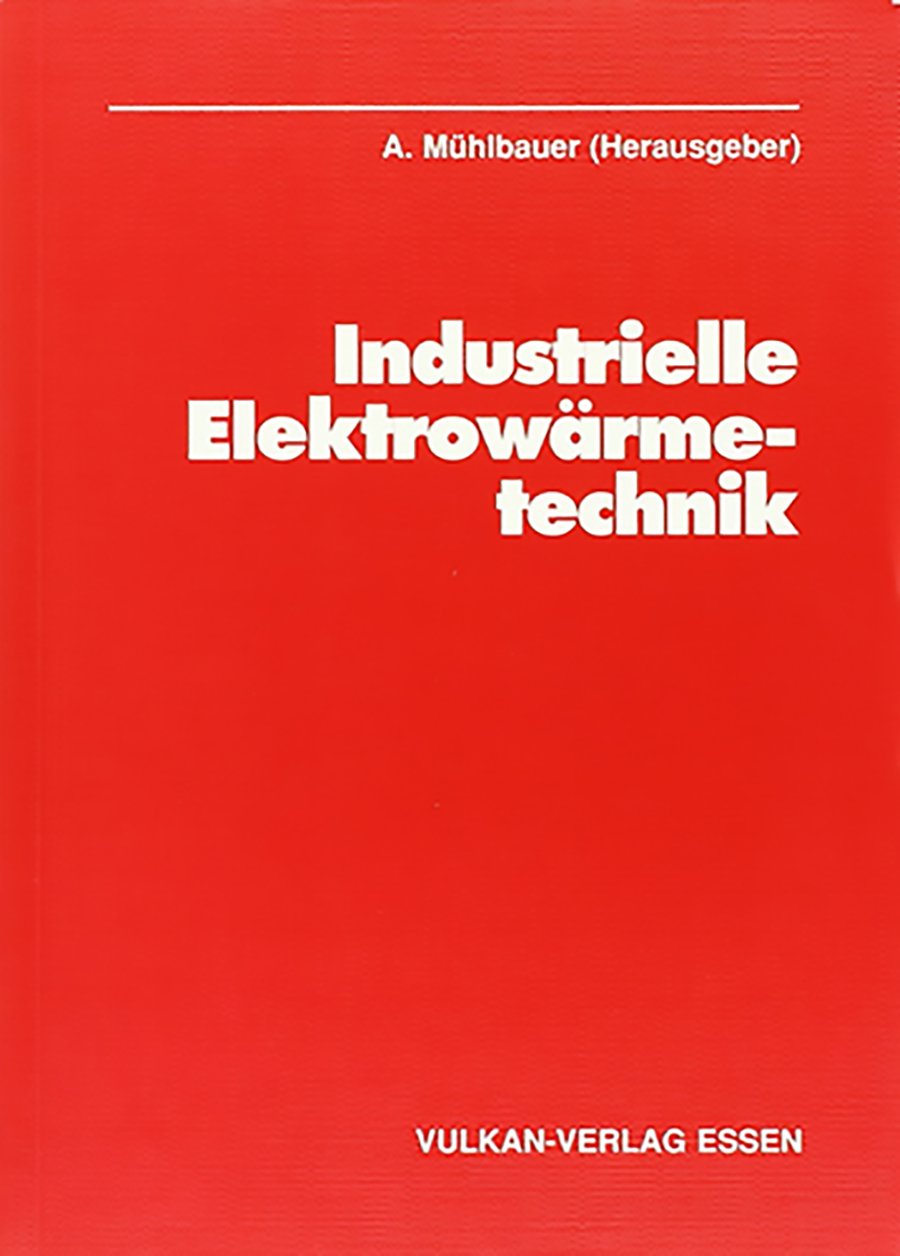
Industrielle Elektrowärmetechnik. Alfred Mühlbauer (Publisher). ISBN 3-8027-2903-X
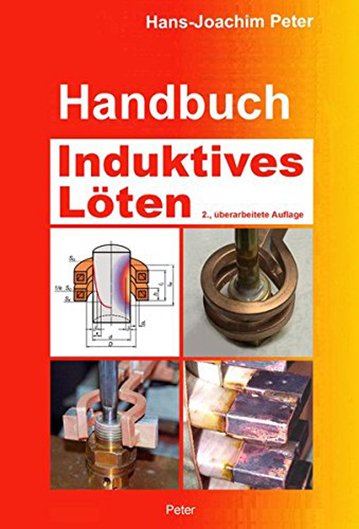
Handbuch Induktives Löten. Hans-Joachim Peter. ISBN 778-3-00-048537-4
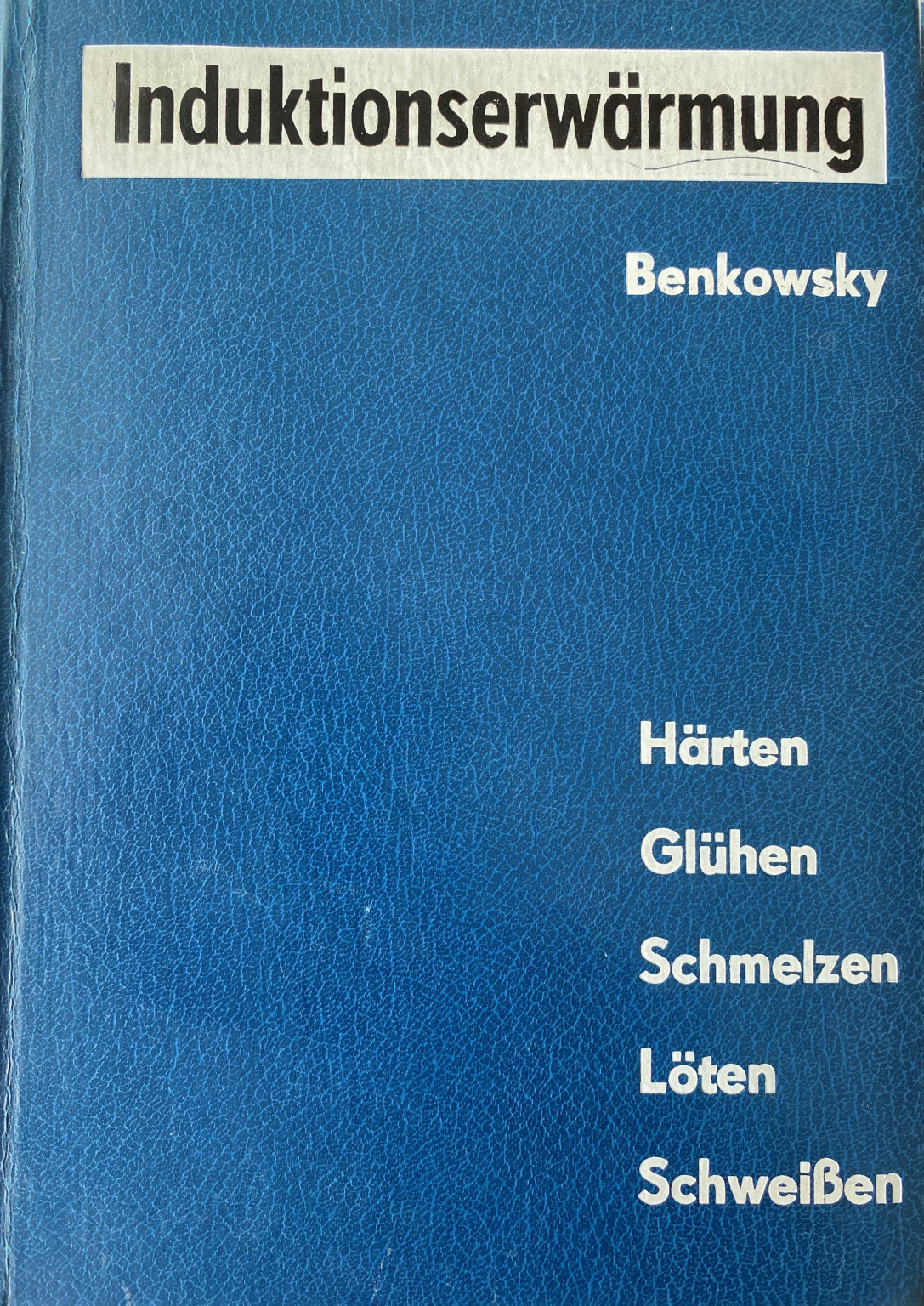
Induktionserwärmung. Günter Benkowsky. Order number 5528917 (VEB-Verlag Technik Berlin)
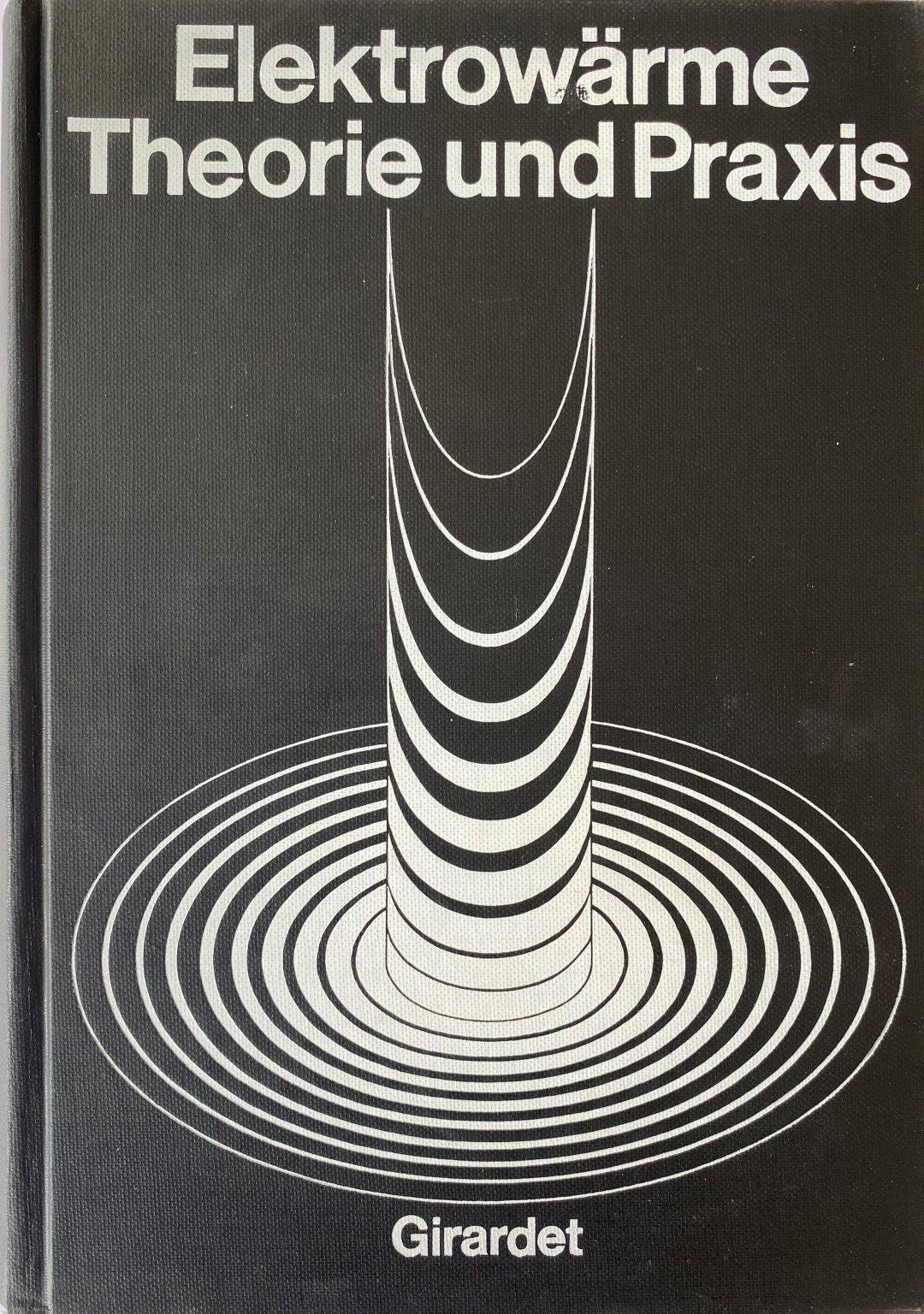
Elektrowärme. Theorie und Praxis. ISBN 3-7736-0355-X
Since 1950, Himmelwerk has shipped more than 19,000 high and medium frequency converters worldwide. By how much can you reduce your CO₂ emissions per year? Let’s have a look.
Assumption 1: 25% of your converters are still operational.
Assumption 2: They have an average output of 6 kW and thus a power consumption of 7 kW.
Assumption 3: These generators are operational 8 hrs per day and 5 days per week.
Assumption 4: Inductive heating uses up to 40% less energy than conventional methods. Let’s assume 30%.
With these assumptions, our calculation would look like this: Daily energy consumption: 8 hrs x 7 kW = 56 kW
Energy savings per day: 56 kWh / 0.7 = 80 kWh; 80 – 56 = 24 kWh
Total energy savings per day: 24 kWh x 4,750 converters = 114,000 kWh
Total energy savings per year: 220 working days x 114,000 kWh = 25,080,000 kWh
Conversion factor kWh/CO₂: 1 kWh is equivalent to approx. 0.485 kg of CO₂ (source: German Federal Environmental Agency, Climate Change 15/2022)
CO₂ reduction per year: 25,080,000 kWh x 0.485 kg = 12,163,800 kg